Holly Jolly SVG PNG: A Designer’s Practical Review
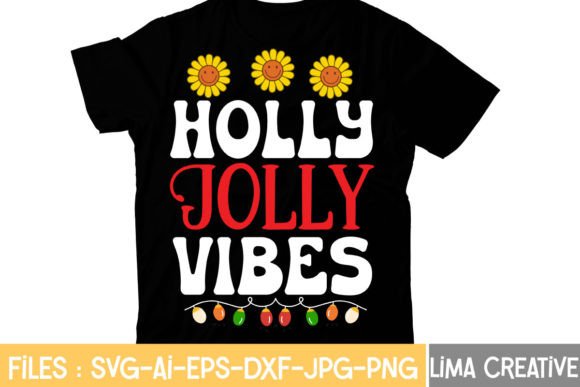
As an embroidery designer who has spent years digitizing patterns and troubleshooting stitch-outs for clients, I approach every new machine embroidery design with a mix of curiosity and skepticism. We have all been there: downloading a cute graphic that looks perfect on screen but turns into a tangled mess of thread breaks and puckering once it hits the fabric. That is why I took a close look at the Holly Jolly SVG PNG to see if it holds up under the needle.
This isn’t just about whether the image is pretty. It is about whether this digital embroidery file can survive the rigors of real-world production. Whether you are an Etsy seller looking to expand your holiday catalog or a hobbyist making personalized gifts, understanding how a design translates from vector to thread is crucial. Here is my honest assessment of how this asset performs in a professional context.
First Impressions and Visual Personality
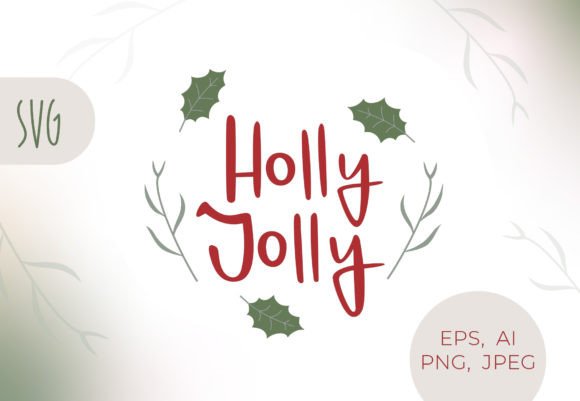
The first thing I noticed about the Holly Jolly SVG PNG is its clean, festive energy. The layout feels balanced, avoiding the cluttered look that plagues so many seasonal graphics. For an embroidery project, simplicity is often strength. Complex illustrations with tiny details can become nightmares when scaled down, but this design maintains strong visual lines.
The mood is undeniably cheerful, fitting perfectly into the category of holiday embroidery. However, what matters more to me is the structural integrity of the shapes. When I opened the SVG and EPS files, I checked the paths for smoothness. Jagged vectors often lead to erratic stitching behavior, causing the machine to hesitate or create uneven satin stitches. This design appeared well-constructed, suggesting that the transition from a Graphics asset to a stitched product would be relatively smooth, provided the digitizer respects the original lines.
Real-World Application: The Tote Bag Test
To truly evaluate a design, you have to imagine it on a physical product. I envisioned using the Holly Jolly SVG PNG for a custom tote bag design. Canvas is a forgiving fabric, but it requires bold designs to stand out. I pictured this graphic centered on a natural cotton tote, perhaps paired with red and green thread colors against a cream background.
In this scenario, the design’s openness works in its favor. Dense fill areas can make canvas stiff and uncomfortable to carry, but a design that allows for strategic use of running stitch outlines and lighter fill stitch patterns keeps the hand of the fabric soft. If you are creating a handmade product for a craft fair, this balance between visual impact and tactile comfort is what drives repeat customers. The design feels substantial enough to be seen from a distance but not so heavy that it distorts the bag’s shape.
Versatility Across Product Lines
Beyond tote bags, this asset shows promise for various custom apparel items. Imagine it embroidered on the chest of a cozy sweatshirt. Here, the sweatshirt embroidery would benefit from the design’s clear silhouettes. Fleece and terry cloth can swallow up fine details, so having a graphic with strong, recognizable forms is essential. It would also work well as a embroidered patch, where the edges need to be clean and defined for cutting and applying.
For those running a small shop product line, versatility is key. You might use the same design assets for kitchen towels, pillow covers, or even baby embroidery projects like onesies. However, scale is everything. What looks great on a large apron might be too busy on a tiny baby hat. Always adjust the size proportionally to maintain the integrity of the text and shapes.
Technical Considerations and Stitching Challenges
While the visual appeal is strong, we must address the technical side. Since this package includes SVG, PNG, JPEG, EPS, and AI formats, it is primarily a graphic resource. This means you will likely need to digitize it yourself or hire a digitizer to convert it into a stitch file compatible with your machine. This is a critical distinction for commercial embroidery professionals.
When converting this applique design or graphic into stitches, pay attention to stitch density. Holiday themes often tempt designers to over-fill areas with reds and greens. Resist this urge. High density leads to puckering, especially on stretchy fabrics or thin materials. Use a proper stabilizer—cut-away for knits like sweatshirts and tear-away for woven cottons—to support the stitching without adding unnecessary bulk.
Be cautious with small details. If the design includes intricate holly leaves or small text elements, test them on scrap fabric first. Tiny corners are prone to thread breaks and bird-nesting. If you are working with dark fabric, consider using a lighter underlay or testing the contrast to ensure the design doesn’t disappear into the background. A quick black-and-white mockup can reveal if the value contrast is sufficient for readability.
Commercial Use and Brand Consistency
For craft business owners, consistency builds trust. Using high-quality design assets like the Holly Jolly SVG PNG helps maintain a professional look across your Etsy listings and social media. When customers see crisp, well-executed embroidery, they perceive higher value. This design, with its clean lines, supports that perception.
However, always verify licensing before selling finished items. While this is listed under Freebies, terms can vary. Ensure you have the right to use the design for commercial products. If you are creating printable mockup previews for your shop, the included PNG Transparent file is invaluable. It allows you to place the design on various product photos without tedious background removal, saving you hours of editing time.
Final Verdict for Makers
The Holly Jolly SVG PNG is a solid addition to your library, particularly if you enjoy digitizing your own patterns or need flexible graphics for multi-purpose use. It offers the freedom to adapt the design to different hoop sizes and fabric types, which is a significant advantage over rigid, pre-digitized files that may not fit your specific needs.
My advice? Download it, open the vectors, and plan your digitization strategy carefully. Test on scrap fabric, check your tension, and choose your thread colors wisely. Whether you are making a personalized gift for family or stocking your online store with holiday embroidery items, this design provides a reliable foundation. Just remember that the quality of the final finished product depends as much on your stitching technique as it does on the source file. Happy stitching!