On All Things Give Thanks: A Designer’s Review
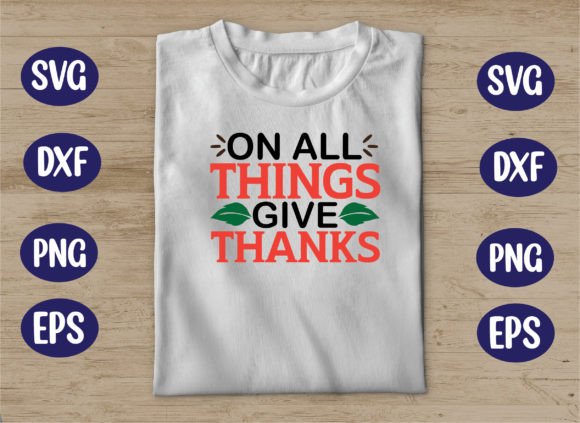
As a designer who has spent countless hours staring at digitized patterns and testing stitch-outs on scrap fabric, I approach every new machine embroidery design with a mix of curiosity and skepticism. We all know that what looks perfect on a screen does not always translate beautifully to thread and fabric. When I first encountered On All Things Give Thanks, my initial reaction was one of appreciation for its thematic clarity. This is not just a generic seasonal graphic; it is a statement piece that carries weight, warmth, and intentionality.
In the world of craft business and handmade goods, timing is everything. Autumn and winter are peak seasons for personalized items, and having a reliable, high-quality design in your library is crucial. I decided to evaluate On All Things Give Thanks not just as a static image, but as a functional asset for real-world projects. My goal was to determine if this digital embroidery file could hold up under the scrutiny of a paying customer and the mechanical demands of an embroidery machine.
First Impressions and Visual Personality
The mood created by On All Things Give Thanks is immediately grounding. It avoids the cluttered, overly busy aesthetic that plagues many free or low-cost designs. Instead, it offers a clean, legible layout that prioritizes readability. For an Etsy seller or boutique owner, this is vital. Customers often view products on small mobile screens, and a design that loses its shape or message at a glance will not convert. The visual personality here is humble yet elegant, making it suitable for a wide range of demographics, from young families to older generations who appreciate traditional sentiments.
When reviewing the included assets, such as the SVG File with word-by-layer separation, I noticed the potential for versatility beyond just stitching. The inclusion of PNG, EPS, DXF, and JPEG files means this is a comprehensive package for design assets. While my focus is on embroidery, having these vector and raster formats allows for cohesive branding across printable mockups, social media graphics, and even vinyl cutting if you offer mixed-media custom apparel.
Real-World Application: The Tote Bag Test
To truly understand how On All Things Give Thanks performs, I simulated a common project: a custom embroidered tote bag. Tote bags are a staple for small shop products because they are practical, affordable to produce, and highly visible. I imagined placing this design on a heavy canvas tote, using a contrasting thread color to make the text pop.
The layout of the text suggests it would work well in a medium to large hoop size. However, because this is a text-heavy design, the spacing between letters is critical. In my mental stitch-out, I considered how a satin stitch might behave on the curves of the letters versus a fill stitch for larger blocks. If the design relies on thin lines, there is a risk of the thread breaking or the fabric puckering if the stabilizer is not adequate. For a tote bag, which undergoes frequent washing and heavy use, durability is key. I would recommend using a cut-away stabilizer to ensure the finished product maintains its integrity over time.
Navigating Fabric and Stitch Challenges
One of the most important aspects of evaluating any embroidery file is understanding where it might fail. On All Things Give Thanks appears to be a design that requires careful attention to stitch density. If the digits are too dense, the fabric will pucker, especially on thinner materials like cotton tea towels or baby clothes. Conversely, if the density is too low, the background fabric may show through, ruining the crispness of the text.
I advise testing this design on scrap fabric before committing to a final handmade product. Pay close attention to textured fabrics. A looped towel or a fuzzy sweatshirt can obscure fine details. For a sweatshirt embroidery project, you might need to adjust the pull compensation or use a topping to keep the stitches sitting on top of the pile. Dark fabrics present another challenge. If you are stitching white or light-colored thread on navy or black fabric, ensure that the design does not have excessive jump stitches that could create visible trails. A proper underlay is essential here to anchor the top stitches and prevent shifting.
For curved surfaces like caps or hats, this design might require resizing. Text can distort when stitched on a convex surface. I would recommend running a test on a similar curved material to check for legibility. If the letters become too compressed, the message of "giving thanks" might get lost in the distortion.
Commercial Viability and Customer Trust
From a business perspective, On All Things Give Thanks adds value to your catalog because it taps into emotional purchasing. People buy personalized gifts and holiday decor to connect with loved ones. A design that conveys gratitude resonates deeply. When customers see a clean, professional embroidered patch or a neatly stitched apron, it builds trust in your brand. Sloppy stitching or poorly chosen designs can damage that trust instantly.
Since this product is categorized under Freebies and Graphics, it is essential to verify the licensing terms before using it for commercial purposes. Many designers offer free files for personal use only. If you plan to sell custom apparel or holiday embroidery items featuring this design, confirm that the license allows for commercial use. Assuming it does, this design can be a powerful tool for increasing buyer engagement during the fall and winter seasons. It fits seamlessly into collections for Thanksgiving, general autumn decor, or even faith-based gift lines.
Practical Notes for the Embroiderer
- Test First: Always stitch out on scrap fabric identical to your final material to check tension and density.
- Thread Contrast: Choose thread colors that stand out against the fabric. High contrast improves readability and visual appeal.
- Stabilizer Choice: Use cut-away stabilizer for stretchy fabrics like sweatshirts and tear-away for stable woven fabrics like tote bags.
- Hoop Size: Confirm the required hoop size based on the actual dimensions of the stitched design, not just the digital preview.
- Detail Inspection: Zoom in on the SVG or PNG to check for tiny details that might not stitch well. Simplify if necessary.
- Mockups: Create black and white mockups to ensure the design holds its shape without relying on color.
In conclusion, On All Things Give Thanks is a thoughtful addition to any designer’s library. It offers a blend of aesthetic warmth and practical utility, provided you respect the technical requirements of embroidery. By paying attention to fabric choice, stabilizer, and stitch quality, you can transform this digital file into a cherished physical product that customers will love. Whether you are creating a baby embroidery item for a shower gift or a branded tote for your shop, this design has the potential to elevate your work if handled with care and professional insight.